Your Breastfeeding Guide
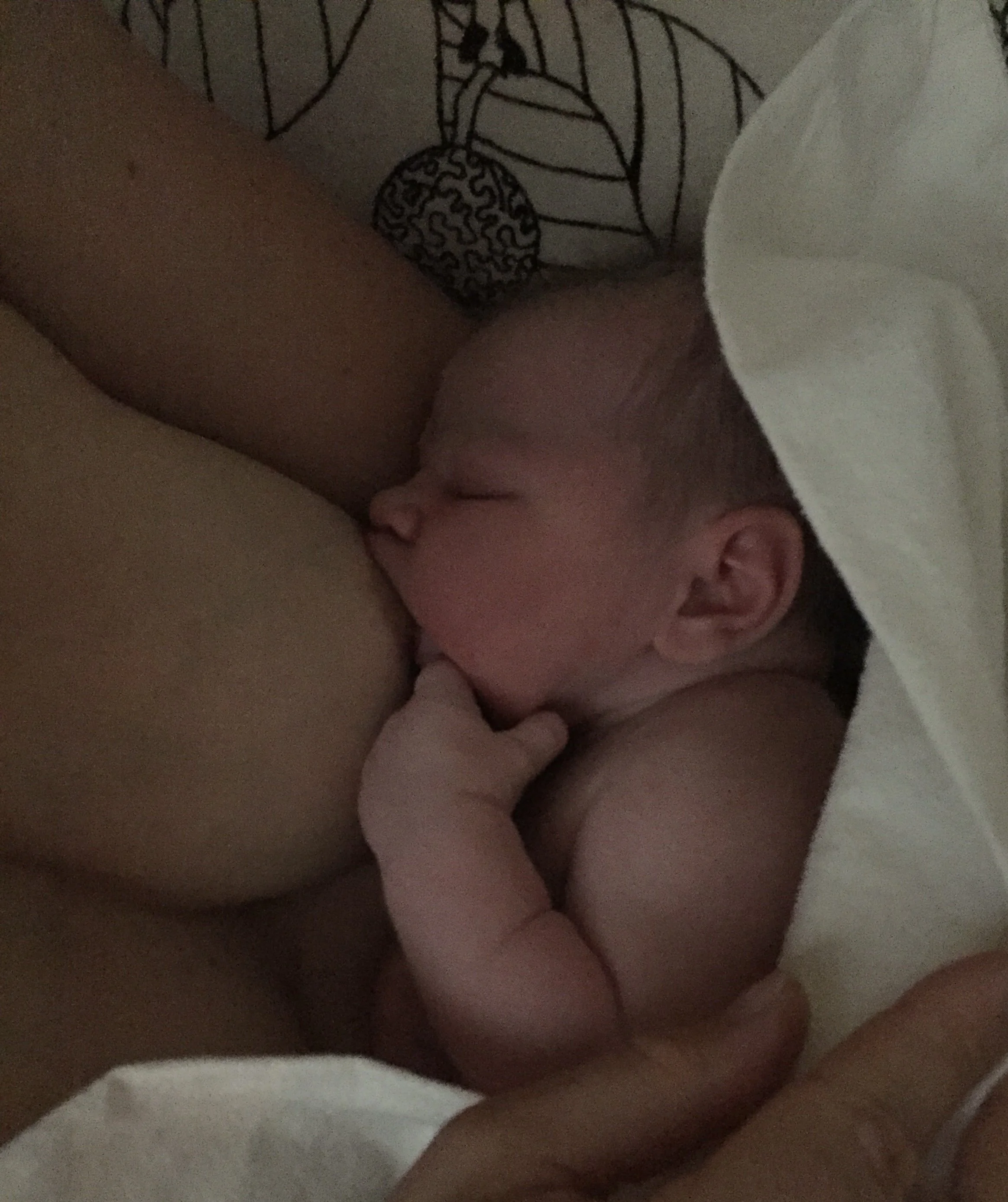
In the Beginning
It takes a few days before your breasts fill with milk, but until then, the baby receives the nutritious colostrum that keeps them satisfied. If you're not breastfeeding, it can still be beneficial, if possible, to try to express the colostrum and give it to the baby since it contains high levels of salt and protein as well as important antibodies that protect the baby against infections. It's also important that the baby gets fluids, as this prevents jaundice.
Breastfeeding
The breasts can swell and feel hard when the milk comes in three to four days after delivery. Breast milk contains all the nutrition your baby needs for the first six months, and if you breastfeed freely and without stress, your body will produce as much breast milk as your baby needs. Feeding on demand means that the baby's needs guide how often they nurse during the first months. Newborns should be breastfed at least 8–12 times per day for at least 10–15 minutes per breast. Most babies love to stay at the breast for a long time, preferably all day and night, partly because they need the nutrition from the breast milk and partly because the sound and smell of their mother provides security.
Breastfeeding also helps the uterus return to its normal size and helps your body gradually return to roughly how it was before you became pregnant. Breastfeeding also helps the mother's body produce endorphins that make her feel good and relaxed.
Formula
If you can't or don't want to breastfeed, your baby can still grow and thrive on formula. Sometimes women who decide not to breastfeed feel strong pressure from those around them, which often leads to guilt and feeling bad. But stand firm—it's your decision, and once you've made it, it's better to politely decline all well-meaning advice about breastfeeding.
Tips When Giving Formula
Bottle-feed with clean glass bottles instead of plastic bottles since they can leach chemicals. Remember not to pour ice-cold water on a warm bottle as the bottle can crack. Also, don't heat formula in the microwave as it's harder to control the temperature and it easily becomes too hot.
When Supplementing Breastfeeding with Formula
If you're breastfeeding but your baby isn't gaining weight as they should, you may also be advised to give the baby some formula. Under "When Breastfeeding is Difficult," "Breastfeeding Technique," and "Breastfeeding Tips" (see below), you can read about how to increase your milk production so you can soon stop with formula if you want to exclusively breastfeed.

The Most Important Thing is Closeness and Love
Whether you breastfeed or bottle-feed, the most important thing is that you and your partner hold the baby close, as much skin-to-skin as possible, and give them plenty of love and attention by kissing, patting, massaging, smelling, rocking, dancing, singing, smiling, and talking with your child. If you or your partner are having difficulty being present right now or feel detached from the baby and the whole situation as a new parent, it's important that you take it seriously and do everything you can to find calm and presence. The first period of life affects the child's mental and physical development. The foundation for trust and empathic ability is created right now. Mindfulness exercises, such as those found in the book "Föd på dina villkor" (Birth on Your Terms), can help, but if they don't, it can be comforting to talk with a therapist who specializes in attachment.

Respond to Your Baby's Signals
Don't wait until the baby starts crying before putting them to the breast or giving the bottle—try to be attentive to what the baby needs before they become too upset. When you notice that they seem to be searching for the breast with their mouth and head or seem impatient, you can offer the breast or bottle. If the baby starts crying, they may have already become too hungry and get so eager when they get food that it becomes harder to breastfeed or give the bottle; it can also cause them to swallow too much air. Air in the stomach can cause gas and pain, which can result in colic.
When you and your partner respond to the baby's needs, it also makes the child feel secure, and then they have less reason to cry. An infant never cries to annoy you or because they're spoiled; on the contrary, they cry because they can't communicate in any other way. If your child cries and screams, it's your job to make sure you give your child what they need. Perhaps more closeness, more milk, a dry diaper, or peace and quiet? A child can never get enough love and attention, so you can give as much as you're able without worrying that the child will become spoiled or too dependent on you. Small children are dependent on their parents, and it takes a long time before they can manage on their own. Children become secure and dare to explore the world on their own when they get to choose when they're ready for it.

Here's the translation:
When Breastfeeding is Difficult
Sometimes it takes a while to get breastfeeding right. Nipples can become sore, even bleed and become cracked, and the baby can become upset if they don't get a good latch on the breast. It's very stressful for a new mother not to be able to satisfy her child and also have pain in her breasts. But try to give it some time. Most women can breastfeed with the right conditions, and enjoy it once it's working. If your nipples are inverted or have an unusual shape, you may need extra help. Breastfeeding support or your child health center midwife are there for you, so don't hesitate to contact them. It's also important that your partner and people around you support and encourage you to continue. Below you can read what you can do to prevent or fix breastfeeding difficulties.
Breastfeeding Technique
To avoid irritated nipples and a frustrated baby, it's important that you have the right breastfeeding technique from the start.
♥ The nipple should be far back in the baby's mouth and the tongue far forward, shaped around the underside of the nipple.
♥ The baby's chin presses into the breast.
♥ The baby sucks with the help of their jaws; the temples and cheeks move.
♥ The massaging movement from the baby's jaw and tongue stimulates milk flow.
♥ Let the baby finish sucking and release on their own so they get the fattier and more filling milk that comes toward the end of each feeding. This milk also has a laxative effect and helps the baby's intestines function properly.
Nursing Pads
During the first months, the breasts leak milk and you may need nursing pads to avoid leakage and wet shirts. It's important to keep the breasts warm and dry to avoid clogged ducts and bacterial growth around the nipples. Therefore, it's good to use nursing pads made of soft organic cotton, flannel, wool fleece, wool jersey, or silk. Never use plastic pads. In summer, cotton or flannel pads may work best, and when it gets cold, wool and silk provide nice warmth. However, the breasts should always be kept warmer than the rest of the body, regardless of how warm it is outside. Nursing pads in natural materials can be found online.

Breastfeeding Tips
Here are some tips on what to think about when you're breastfeeding:
♥ Sit comfortably in an armchair with pillows under your arms or a good nursing pillow for support. It's important that you're warm, calm, and relaxed—stress and cold make it harder for the milk to flow. Turn off your phone and TV and make sure you have peace and quiet.
♥ Lie on your side in bed and give the baby the breast that's closest to the mattress. The baby's stomach should be turned toward your body.
♥ Help the baby nurse correctly by waiting until they open their mouth. If they don't, you can stroke your nipple against the baby's lower lip.
♥ When the mouth is completely open, you can help bring the breast toward the baby's mouth. Use your free hand if you need to.
♥ Make sure the baby takes in both the nipple and the areola, especially the part below the areola.
♥ The lower lip is turned outward, the nose is free, and the areola is covered by the baby's mouth.
Clogged Ducts
If you don't let the baby empty the breasts properly at each feeding, clogged ducts can develop in one or more of the milk ducts. Other reasons include a too-tight bra or if you and your baby have started with incorrect breastfeeding technique. If you're not breastfeeding or have a lot of milk, you may need to hand express or pump the breast to avoid clogged ducts.
Symptoms of Clogged Ducts
Symptoms of clogged ducts are hard lumps in the breasts that can be tender and the breast can feel warm. To empty the milk ducts, you should continue breastfeeding in varying positions so the milk can flow freely. Nurse from the breast where you have the clogged duct first and make sure the baby is close and sucking with the right technique (see Breastfeeding Technique above). Massage and gently stroke the breast with your palm over the tender spot and out toward the nipple. A warm shower or a heated towel or wheat bag on the breast before nursing can ease the pressure. Make sure to rest when your baby sleeps.
You can also try drinking nursing tea with: fennel, anise, and cumin, which has traditionally been recommended by midwives to reduce the risk of breast infection and to facilitate milk flow. Try Braïdo Organics Abundant Mama Tea, created with exactly the right ingredients for you.
Another old household remedy is to apply cold cabbage leaves to reduce swelling. Roll or crush the veins in the leaf and then place them against your breast in your bra. Change leaves after about two hours. Frozen washcloths or ice packs on the breasts can also help.
Mastitis
If you have clogged ducts for too long, you can develop mastitis. This happens when milk is pressed out into the tissue around the milk ducts. You may feel one or more hard lumps in the breast that hurt and you may simultaneously feel feverish. If you suspect you have mastitis, you should contact your doctor or hospital immediately.
Breast Infection
Untreated clogged ducts and mastitis can develop into a breast infection. A breast infection can also be caused by bacteria entering the breast, for example through wounds and cracks on the nipple. High fever, one or more hard lumps in the breast, pus formation under the skin, pain, and a yellow-gray shadow on the breast can all be signs of breast infection. The infection requires medical care and must be treated with antibiotics.
Breastfeeding Tips
Here are some tips on what you can do to avoid irritated nipples—or heal existing sores—and how you can have the best possible breastfeeding experience:
♥ Let the breasts air dry after each feeding.
♥ Don't wash the breasts between feedings; milk is antiseptic.
♥ Massage a little breast milk onto the nipples after each feeding.
♥ Never use soap on your breasts as it dries out the skin.
♥ Massage your breasts with pure, cold-pressed almond oil after you shower or bathe.
♥ If you must remove the baby without them stopping on their own, you can interrupt by gently inserting your pinky finger into the corner of the baby's mouth.
♥ If you have inverted or flat nipples, a nipple shield over the nipples can help so the baby gets a better latch while sparing your breasts.
♥ Apply homeopathic calendula cream (Calendula) to the nipples after each feeding; it's safe for the baby and effectively heals irritated and sore skin.
♥ Keep the breasts warm. Even in summer, they can easily become colder than the rest of your body, which increases the risk of clogged ducts, inflammation, and reduced milk production. Bra pads made of natural organic wool or cotton flannel over cotton or paper pads help you keep the breasts warm. Minimundus.se is a company that sells nursing pads made of soft wool.
♥ Sunbathe topless in the fresh air when the opportunity arises. However, make sure you don't get cold.
♥ Use a comfortable cotton bra that doesn't pinch anywhere and opens in the front.
♥ Let the baby nurse as long as they need; don't watch the clock.
♥ Be present when you breastfeed. Practice mindfulness.
♥ Study your child, hold their little hands or feet.
♥ Turn off TVs and phones and put on some nice music so you can really relax.
♥ Let the baby sleep next to or on you during the first period so they more easily get into your rhythm and feel secure.
♥ If you're breastfeeding, you can lie on your side at night and when you and your child rest during the day. Neither you nor the baby need to wake up properly—except when you need to change diapers—which means you'll all feel more rested during the day. Perhaps the baby's other parent who isn't breastfeeding can take diaper changes as often as they can so you can get some rest in the meantime.
♥ Drink nursing tea to stimulate milk production. Nursing tea is available in most well-stocked grocery stores and health food stores. It can also be found at braidoorganics.com; look for Abundant Mama Tea, editor's note.
♥ Drink plenty of fluids and eat nutritious food during the day.
♥ Ask for help from family and friends.
♥ Accept help with cleaning, babysitting, and other things that otherwise stress you.

Hard to Enjoy Breastfeeding All the Time?
If you feel stuck and frustrated when your child nurses for a long time and frequently, it can help to do the mindfulness exercises in this book. Regardless of whether it works for you or not, it's important that you get some time for yourself every day or a few times a week to have the energy to give your child everything they need. Ask your partner, a family member, or friend to take the baby in a baby carrier or stroller for a while so you can get a little break. The baby may cry at first when they're not with you, but once they're outside, they'll quickly be rocked to sleep.
If you can pump milk, if your child accepts sucking from a bottle, and if you have a partner who wants to be involved, your partner can give the baby a bottle once per night a few times a week to let you sleep undisturbed for a few more hours than otherwise. The baby carrier can come in handy again here, as your partner can wear your child close to their body and make the baby feel warm and secure.
How Long Should You Breastfeed?
The World Health Organization (WHO) recommends continued partial breastfeeding for at least two years because breast milk is so nutritious and simultaneously satisfies the child's need for security and closeness. Biologically, many children would breastfeed until three to seven years of age if they got to choose themselves, but with today's demands from all directions, most mothers stop breastfeeding long before that. In Sweden, the norm is to stop breastfeeding around one year of age, and mothers who choose to breastfeed longer often feel questioned by others around them. Our advice is to breastfeed as long as you and your child want and ignore what others think. This also applies if you want to stop breastfeeding before your baby is one year old. If you follow your intuitive sense of what's best for you, it will indirectly help your child later in life to dare to follow their inner voice about what's right and wrong for them.

Tandem Nursing
This is when two children are breastfed simultaneously. Breastfeeding your twins or triplets may not raise anyone's eyebrows, but breastfeeding an older sibling at the same time as you breastfeed a baby can make some people react. However, it's probably more common than one might think. Many may not dare to tell or show that they're still breastfeeding the older sibling because it goes against our society's norms. Continuing to breastfeed the older sibling can be demanding—both mentally and physically—especially if the older child starts waking up more often at night and you don't get enough nutrition, but if you have the energy and get support at home, tandem nursing can be a beautiful and peaceful time together, as well as positive for the siblings' bonding.
What your particular child needs and what you yourself feel during this period of your life is very individual. It can be difficult to imagine what it will be like before the baby is born, so be responsive to both your own needs and your children's. And don't forget to rest, eat as much nutritious food as possible, and ask for help or hire a postpartum doula. It's a well-worth investment for this unique time in life.
What is a Postpartum Doula?
A postpartum doula can support you after delivery and help you with everything from emotional support, guidance, and practical help, such as cooking and childcare.
The text (except the part about tandem nursing) is excerpted from the birth preparation book Föd på dina villkor (MiMa Förlag 2019), written by me and Viktoria Häggblom.
Tips for More Good and Important Reading About Breastfeeding:
Website: https://www.amningshjalpen.se/
Book: Amning i Nöd och Lust, by Lin Dalén.
Blog: https://sagogrynet.wordpress.com/ run by Lin Dalén.